Probate and Administration of Estates in Bucks County, PA
Losing a loved one is emotionally challenging, and the legal steps that follow can make an already difficult period even more overwhelming. Probate administration in Bucks County is the legal process that ensures a deceased person’s estate is properly identified, debts are paid, and remaining assets are transferred to the correct heirs or beneficiaries. Although the probate process exists to provide structure and clarity, many families discover that the process is slower and more complex than expected. Therefore, understanding how probate works – along with its common challenges – helps families reduce unnecessary stress and avoid avoidable mistakes.
What Is Probate or Administration in Bucks County?
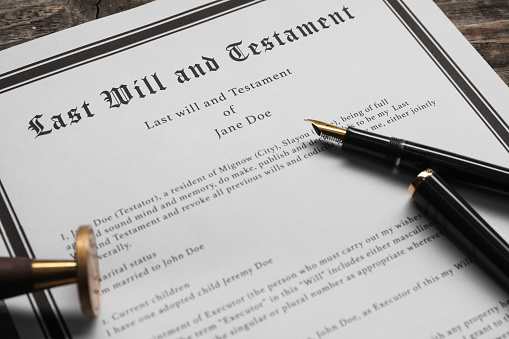
Generally, probate or administration of the estate is the formal procedure that begins after someone passes away. If the deceased left a valid will, the Register of Wills reviews and validates it, then officially appoints the named executor to carry out the estate’s instructions. If no will exists, the Register of Wills appoints an administrator, and the Pennsylvania intestacy laws govern the estate and the distribution of assets. Basically, the process of administering an estate of a person dying without a Will is called “intestate succession”.
The probate or administration process involves many moving parts, including locating important documents, accessing accounts, preserving property, gathering financial information, and complying with statutory deadlines. Some assets – such as jointly owned property, life insurance proceeds, retirement accounts with beneficiaries, and trust assets – transfer outside probate. But real estate titled solely in the decedent’s name, vehicles, individual bank accounts, and personal property typically must go through probate.
Why Probate or Estate Administration Matters
Overall, probate plays an essential role in ensuring that the estate is handled properly. Significantly, the process:
- verifies the authenticity of the will (if one exists)
- appoints a Personal Representative of the estate (executor or administrator)
- identifies, secures, and values estate assets
- ensures the executor or administrator properly addresses debts, taxes, and creditor claims
- supervises the distribution of remaining property to heirs
Even when estates are modest, the executor might still need to probate the will to transfer ownership of real property, financial accounts, or personal items.
The Probate Process in Bucks County: Step-by-Step
While every estate is different, probate in Bucks County generally follows a predictable sequence. It begins with filing the will and obtaining authority from the Register of Wills. Once appointed, the executor or administrator must gather documents, locate assets, and ensure proper preservation – such as securing real estate, updating insurance coverage, or obtaining professional appraisals.
Then, after identifying and protecting assets, the executor must notify heirs and beneficiaries, publish required legal notices, and alert potential creditors. After that, the executor must pay the outstanding debts and taxes in the legally required order. The executor can only distribute the remaining property after resolving all legitimate liabilities. The estate is then closed through a formal accounting, an informal accounting or a Family Settlement Agreement.
To summarize the process, key steps typically include:
- Filing the will with the Register of Wills
- Appointing an executor or administrator
- Identifying, collecting, preserving, and valuing assets
- Notifying heirs, beneficiaries, and creditors
- Paying debts, taxes, and expenses
- Distributing remaining assets
- Submitting final accounting and closing the estate
Obviously, the personal representative of the estate must complete each step in accordance with Pennsylvania law and strict deadlines.
How Long Does Probate Take in Bucks County?
Many families assume probate is fast, but even simple estates take time. Specifically in Bucks County:
- Simple estates with straightforward assets may take 6–9 months
- Typical estates involving real estate, taxes, or multiple beneficiaries take 9–12 months
- Complex estates, such as those involving disputes, litigation, or difficult-to-value property, may take over a year
Understanding the probable timeline early on helps reduce frustration and sets realistic expectations.
Common Challenges in Probate Administration
While probate is designed to be orderly, families often encounter complications that slow down the process. Many of these challenges connect to asset complexity, family dynamics, or misunderstandings about legal requirements.
Complex or Difficult-to-Value Assets
Real estate, business interests, investment portfolios, and out-of-state assets often require specialized handling. Failure to secure, insure, or appraise these items can cause delays or financial loss.
Family Disputes and Contested Wills
Arguments among heirs about the will’s meaning, the executor’s decisions, or verbal promises made during the deceased’s life can escalate quickly. Occasionally, there are doubts about the authenticity of the testator’s signature or allegations that the will was forged or signed under undue influence. In some cases, disputes escalate into Orphans’ Court litigation.
Debt Settlement and Creditor Claims During Estate Administration
Executors must properly notify creditors and ensure that all claims and debts – including taxes – are paid in the correct order. Errors can expose the executor to personal liability.
Executor Responsibilities in Probate Administration
Executors often underestimate the workload. They must manage assets, communicate with beneficiaries, file tax returns, prepare reports, respond to court inquiries, and meet numerous deadlines.
Tax and Legal Compliance
The Personal Representative of the estate must accurately complete and file Pennsylvania inheritance tax and federal tax returns, notices, and court reporting requirements. Mistakes can lead to penalties and additional expenses.
These challenges make probate feel overwhelming, especially during a time of grief.
How an Experienced Probate Attorney Helps
Although Pennsylvania does not require hiring an attorney, legal representation is incredibly beneficial. A skilled probate administration attorney ensures compliance with all statutory obligations, prevents errors, and provides clarity throughout the process. Attorney Leo Mikityanskiy guides families through every stage – from filing initial documents to distributing assets—making the process faster, smoother, and far less stressful.
An experienced lawyer can also help resolve disputes, manage complex assets, evaluate creditor claims, prepare inheritance tax returns, and ensure that the executor is protected from personal liability.
Planning Ahead to Simplify Future Probate
While probate cannot always be avoided, strategic estate planning can make administration much easier for your loved ones. Creating a clear will, maintaining up-to-date beneficiary designations, using certain types of trusts, and reviewing your estate plan regularly can help prevent confusion, reduce disputes, and minimize the probate burden.
Attorney Mikityanskiy assists individuals and families in developing estate plans that reduce complexity, ensure assets pass to the right beneficiaries, and maintain family harmony.
Conclusion
Probate administration in Bucks County involves many steps, legal requirements, and potential challenges, but families don’t have to navigate the process alone. With experienced legal support, probate becomes far more manageable, ensuring that your loved one’s wishes are honored and the estate is settled efficiently. Whether you are starting probate or looking to create a plan that makes things easier for your family in the future, Attorney Leo Mikityanskiy provides the professional guidance you need.
Frequently Asked Questions
How long does probate take in Bucks County?
Most estates take between 9 and 18 months, depending on complexity and whether disputes arise.
Do all estates require probate in Pennsylvania?
Not all. Assets with beneficiaries, jointly owned property, and trust assets typically avoid probate.
Can I handle probate without a lawyer?
Yes, but mistakes can cause delays and financial consequences. Many families prefer legal assistance.
Who oversees probate in Bucks County?
The Register of Wills supervises estate administration and appoints executors or administrators.
What causes probate delays?
Disputes, complex assets, missing documents, tax issues, and creditor claims are common causes.